Recognising and Responding to Plastic Surgery Post-Operative Infections

SPE Featured Image - Recognising and Responding to Plastic Surgery Post-Operative Infections by SPE

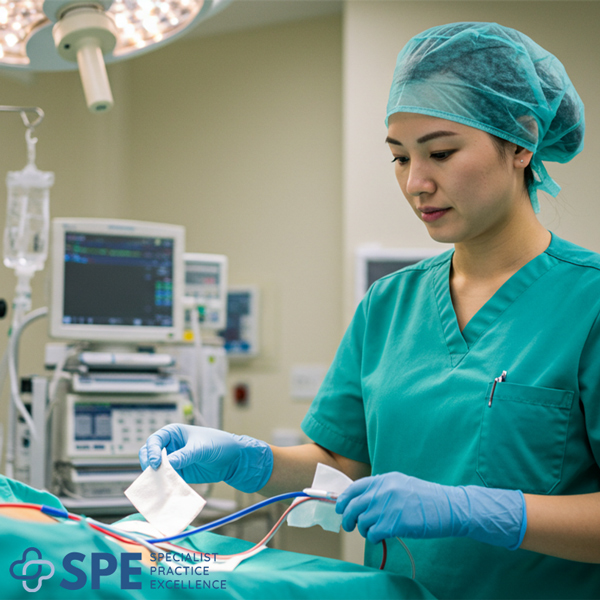
A Nurse’s Guide to Recognising and Responding to Post-Operative Infections In plastic and cosmetic surgery recovery, few complications are as feared as infection. Even a small infection can compromise cosmetic outcomes, delay healing, and in some cases, pose a serious risk to patient safety. For nurses working in private practices, recognising infections early and responding
Read More…

Nutrition, Hydration, Rest and Healing – Top Nurse Tips for Faster Recovery

Nutrition, Hydration, Rest and Healing – Top Nurse Tips for Faster Recovery by SPE

Top Nurse Tips for Faster Recovery after Plastic Surgery – Nutrition, Hydration, Rest and Healing   Recovery from plastic and cosmetic surgery is not only about surgical skill or wound care. The patient’s own body must heal, repair, and regenerate. Nutrition, hydration, and rest are the three pillars that support this process. When patients neglect
Read More…

Helping Patients Cope with Emotional Issues, Pain & Anxiety after Plastic Surgery

Helping Patients Cope with Emotional Issues, Pain & Anxiety after Plastic Surgery by SPE

Helping Plastic Surgery Patients Cope with Pain, Anxiety, and Emotional Issues   Recovery from plastic and cosmetic surgery is more than just a physical process. While incisions, drains, and dressings demand clinical attention, many patients experience pain, anxiety, and emotional upheaval that can be just as challenging. Some may question their decision, worry about their
Read More…

Communication with Plastic Surgery Patients and Families

Communication with Plastic Surgery Patients and Families by SPE

Nurse Communication with Plastic Surgery Patients and Families – Building Trust and Confidence in Recovery Plastic surgery is unique in that it blends technical precision with high patient expectations. Patients undergoing cosmetic or reconstructive procedures often enter recovery with heightened emotions — excitement, fear, anxiety, or regret. Families, too, may feel protective or uncertain about
Read More…

Monitoring Surgical Drains and Dressings – A Nurse’s Guide

Monitoring Surgical Drains and Dressings – A Nurse’s Guide by SPE

How to Monitor Surgical Drains and Dressings – A Guide for Plastic Surgery Nurses In plastic and cosmetic surgery recovery, drains and dressings play a vital role in preventing complications, supporting healing, and protecting surgical results. While surgeons perform the technical work of closure, it is nurses who oversee the day-to-day reality of wound management.
Read More…

Infection Prevention and Wound Care – Best Practice for Nurses

Infection Prevention and Wound Care – Best Practice for Nurses by SPE

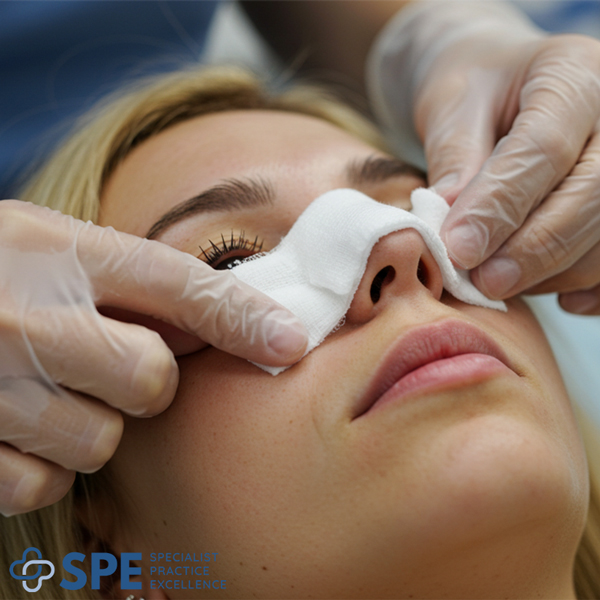
Best Practices for Plastic Surgery Nurses: Preventing Infection and Improving Wound Care For patients undergoing plastic and cosmetic surgery, infection prevention and wound care are at the heart of safe recovery. Even the most technically perfect operation can be compromised if an incision becomes infected or poorly managed. In addition to threatening patient safety, infections
Read More…

Understanding Plastic Surgery Patient Early Mobility and Recovery

Understanding Plastic Surgery Patient Early Mobility and Recovery by SPE

Supporting Plastic Surgery Patient Mobility and Recovery – Why Early Movement Matters Early mobilisation after plastic and cosmetic surgery is one of the simplest yet most powerful interventions nurses can use to improve outcomes. Patients who move sooner recover faster, experience fewer complications, and often feel more confident about their progress. Yet, many patients fear
Read More…

Managing Nausea and Vomiting after Plastic Surgery

Managing Nausea and Vomiting after Plastic Surgery by SPE

How to Manage Nausea and Vomiting after Surgery – Helping Patients Recover Comfortably Post-operative nausea and vomiting (PONV) are among the most common and distressing complications for patients recovering from cosmetic and reconstructive surgery. Even when surgical results are technically perfect, unmanaged nausea can overshadow the patient’s experience, prolong recovery, and in some cases compromise
Read More…

Preventing Post-Operative Complications – Red Flags Nurses Need to Know

Preventing Post-Operative Complications – Red Flags Nurses Need to Know by SPE

How to Prevent Post-Operative Complications – Nurse Red Flags to Know The success of cosmetic and reconstructive surgery is not determined in the operating theatre alone. What happens in the hours and days that follow surgery often has the greatest impact on safety, healing, and patient satisfaction. Nurses in private plastic surgery practices are at
Read More…

Pain Management in Aesthetic Plastic Surgery – A Nursing Perspective

Pain Management in Aesthetic Plastic Surgery – A Nursing Perspective by SPE

A Nursing Perspective on Pain Management in Cosmetic Surgery Pain is one of the most significant concerns for patients undergoing cosmetic and reconstructive surgery. It is also one of the most complex aspects of nursing care. For plastic surgery nurses in private practice, pain management is more than administering analgesics — it requires a blend
Read More…

Early Post-Op Care after Plastic Surgery – What Nurses Should Look For

Early Post-Op Care after Plastic Surgery – What Nurses Should Look For by SPE

Guide to Plastic Surgery: Early Post-Op Care for Plastic Surgery Patients The immediate post-operative period is one of the most critical phases in a patient’s surgical journey. For nurses working in private plastic surgery practices, vigilance, precision, and compassion are essential to ensure safe recovery and positive patient outcomes. While surgeons perform the technical work
Read More…

Advanced Sales Skills for Patient Coordinators

Advanced Sales Skills for Patient Coordinators by SPE

Patient Coordinator Advanced Sales Skills for Plastic Surgery Practices Working in a plastic surgery practice means you’re at the very heart of life-changing decisions. As a patient coordinator, you’re often the first voice a patient hears and the trusted guide who helps them navigate an emotional, exciting, and sometimes overwhelming journey. The skills you bring
Read More…

Simple Sales Skills for Front Desk Staff Handling Enquiries

Simple Sales Skills for Front Desk Staff Handling Enquiries by SPE

How to Convert More Plastic Surgery Enquiries with Simple Sales Skills Converting enquiries into loyal patients starts with mindset. Many practices focus heavily on technical details and marketing spend, but the real difference often comes down to how enquiries are handled in those first crucial conversations. Every call or message is an opportunity to connect,
Read More…

Nurses Guide to Post-Operative Complications in Plastic Surgery

Nurses Guide to Post-Operative Complications in Plastic Surgery by SPE

Nurses’ Guide to Post-Operative Complications in Aesthetic Plastic Surgery Nursing in plastic surgery is both rewarding and demanding. Beyond the technical aspects of wound care and dressings, practice nurses are often the first to notice subtle changes in a patient’s recovery. Your skills, attention to detail, and compassion are what protect patients from small setbacks
Read More…

How to Get a Pay Rise as a Practice Manager – Do More Higher Value Activities

How to Get a Pay Rise as a Practice Manager – Do More Higher Value Activities by SPE

How Plastic Surgery Practice Managers Can Earn More with Higher Value Activities The Journey from Being Busy to Being Valuable Plastic surgery practice managers come in all shapes and sizes — and so do their salaries. Some earn modest pay, others command six-figure packages. Almost all of them work really hard. The difference is not how
Read More…

Consultative Selling Techniques for Aesthetic Plastic Surgery

Consultative Selling Techniques for Aesthetic Plastic Surgery by SPE

How to Convert More Plastic Surgery Patients with Consultative Selling Techniques Aesthetic Plastic surgery is unlike most areas of medicine. Patients are rarely presenting with an urgent condition that requires immediate treatment. Their plastic surgery is more a WANT than a NEED. They are choosing — often after months or years of thought — to
Read More…

AI for Plastic Surgery Practices: Improving Practice Effectiveness

AI for Plastic Surgery Practices: Improving Practice Effectiveness by SPE

  AI for Plastic Surgery Practices in the USA, UK, and Australia Artificial intelligence (AI) is evolving at an exponential pace. For plastic surgery practices, AI offers powerful opportunities to improve efficiency, support staff, and enhance the patient experience. But its use also requires careful consideration of ethical and regulatory guidelines. This article explores the
Read More…

Equity and Ownership Models for Plastic Surgery Practices in the USA

Equity and Ownership Models for Plastic Surgery Practices in the USA by SPE

Effective Ownership Models & Equity for Plastic Surgery Practice Operation in the USA Owning and running a plastic surgery practice in the United States is about much more than surgical skill. It is also about building a sustainable business that can grow, evolve, and eventually transition to the next generation of surgeons. For many practices,
Read More…

Reasons Patients Don’t Book Plastic Surgery and How to Overcome Them

Reasons Patients Don’t Book Plastic Surgery and How to Overcome Them by SPE

Overcoming the Most Common Reasons Why Patients Don’t Book Cosmetic & Plastic Surgery Every patient coordinator knows that the consultation is only the beginning of the decision-making journey. Many patients leave excited about the possibilities of cosmetic or plastic surgery, yet still hesitate when it comes to booking a date. Understanding the barriers that prevent
Read More…

Options for Equity Transfer & Succession in a Plastic Surgery Practice

Options for Equity Transfer & Succession in a Plastic Surgery Practice by SPE

Options for Surgeon Succession, Exit Plans and Equity Transfer in a Private Plastic Surgery Practice Succession planning is one of the most important—and often most sensitive—decisions in the life cycle of a private plastic surgery practice. A well-designed equity transfer not only determines financial outcomes for the surgeons involved but also impacts staff stability, patient
Read More…